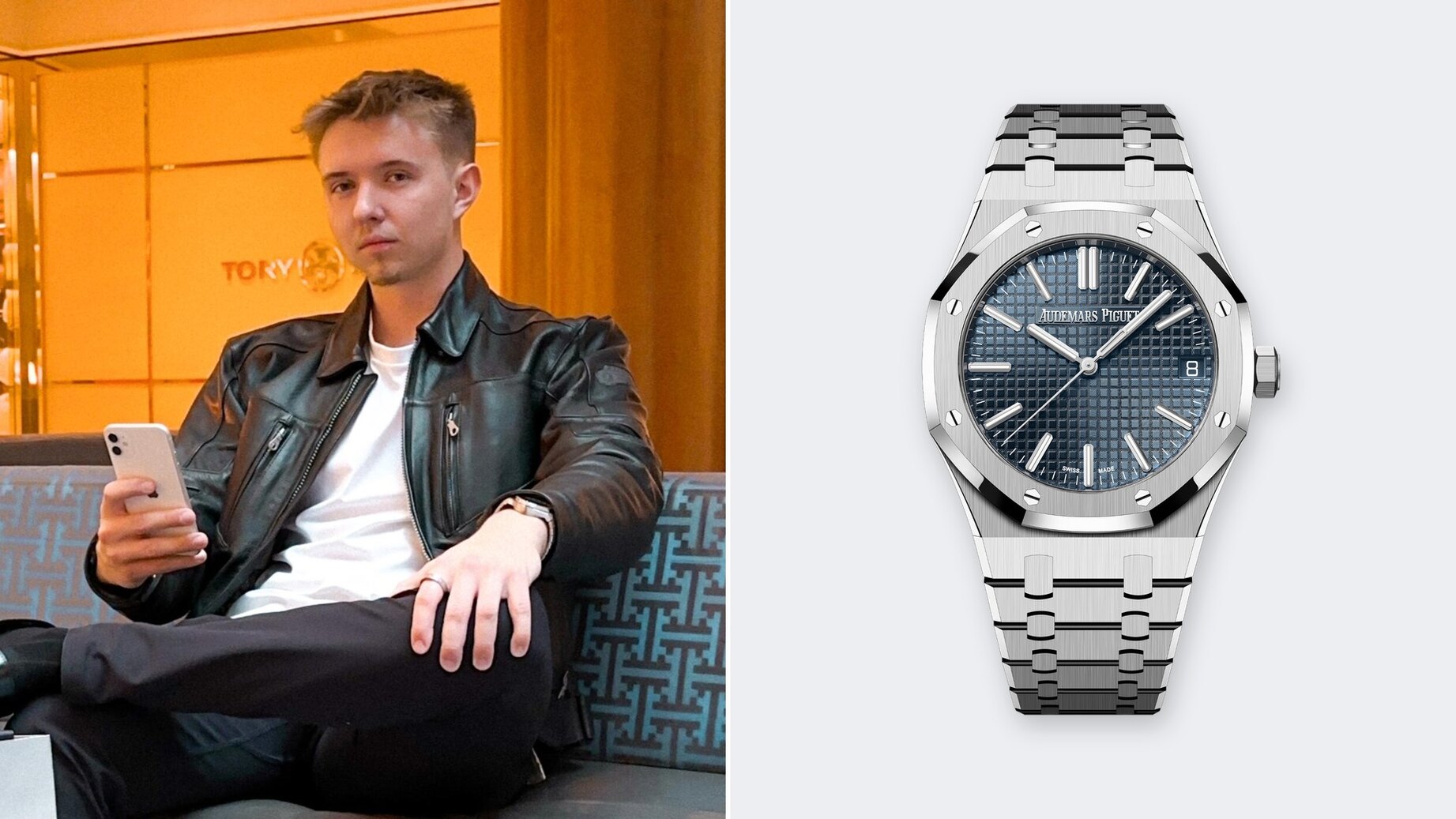
The millionaire AI builder built his estimated $1 million net worth through software, client development work and online education, then chose two distinct steel sports and dress watches.
Who is Eric Otten?
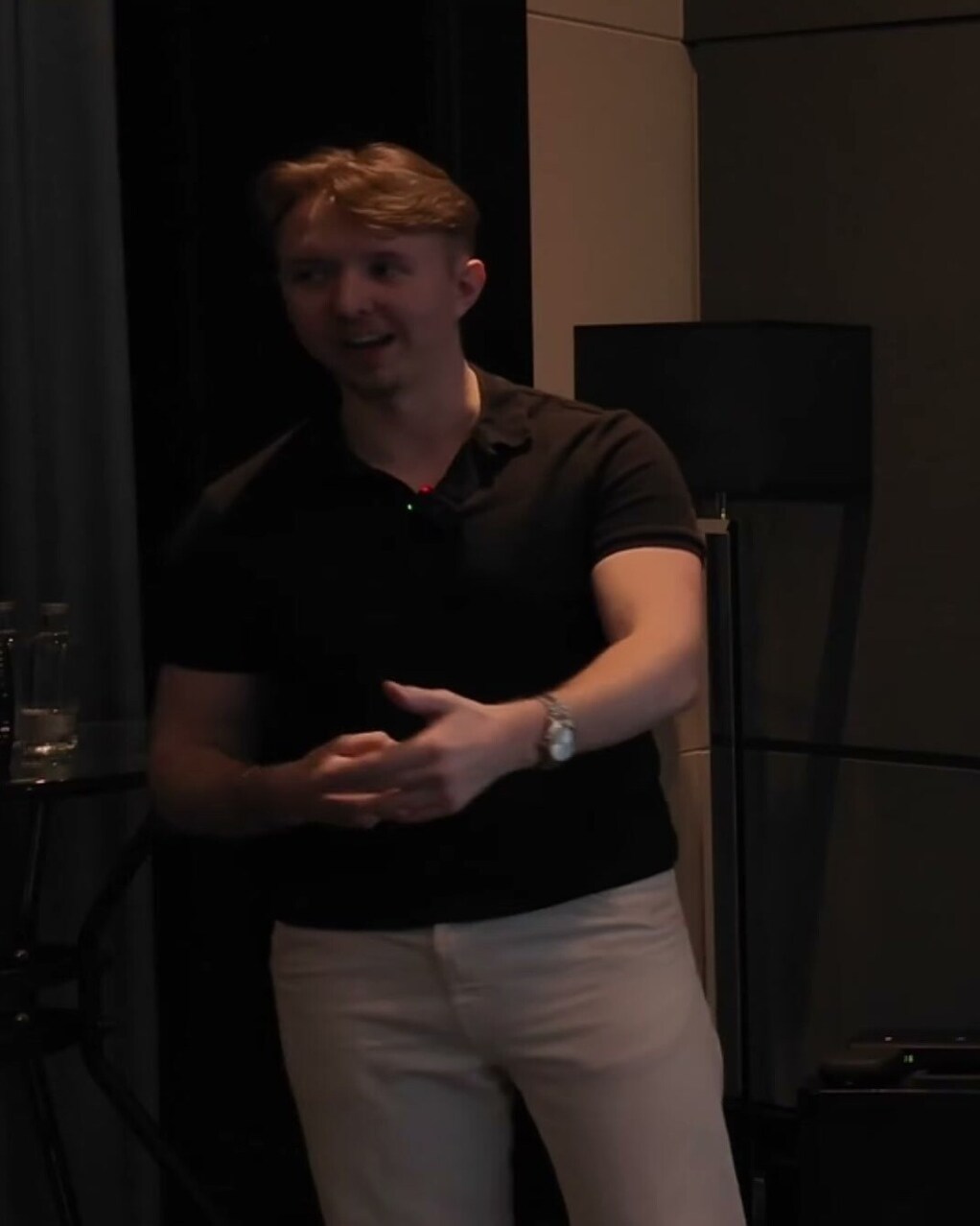
Eric Otten is an AI builder from St. Louis, Missouri, and the founder of Client Accelerator, a coaching program and software suite for B2B service providers, freelancers and agency owners. He builds systems that help businesses find clients, qualify prospects and turn conversations into booked meetings.
Otten has worked in AI and automation since 2021. He is recognized as an industry leader in AI implementation and software development, and the through-line in his work is practical: use AI to create revenue, then turn the systems that work into software other businesses can use.1
His public work spans software development, online education and content. He runs the EricsLab AI Community, teaches on the YouTube channel @TheEricOtten and leads Client Accelerator. Together, those projects show the two sides of his business model: building AI products he owns and building AI systems that solve problems for other companies.
How did Eric Otten become a millionaire?
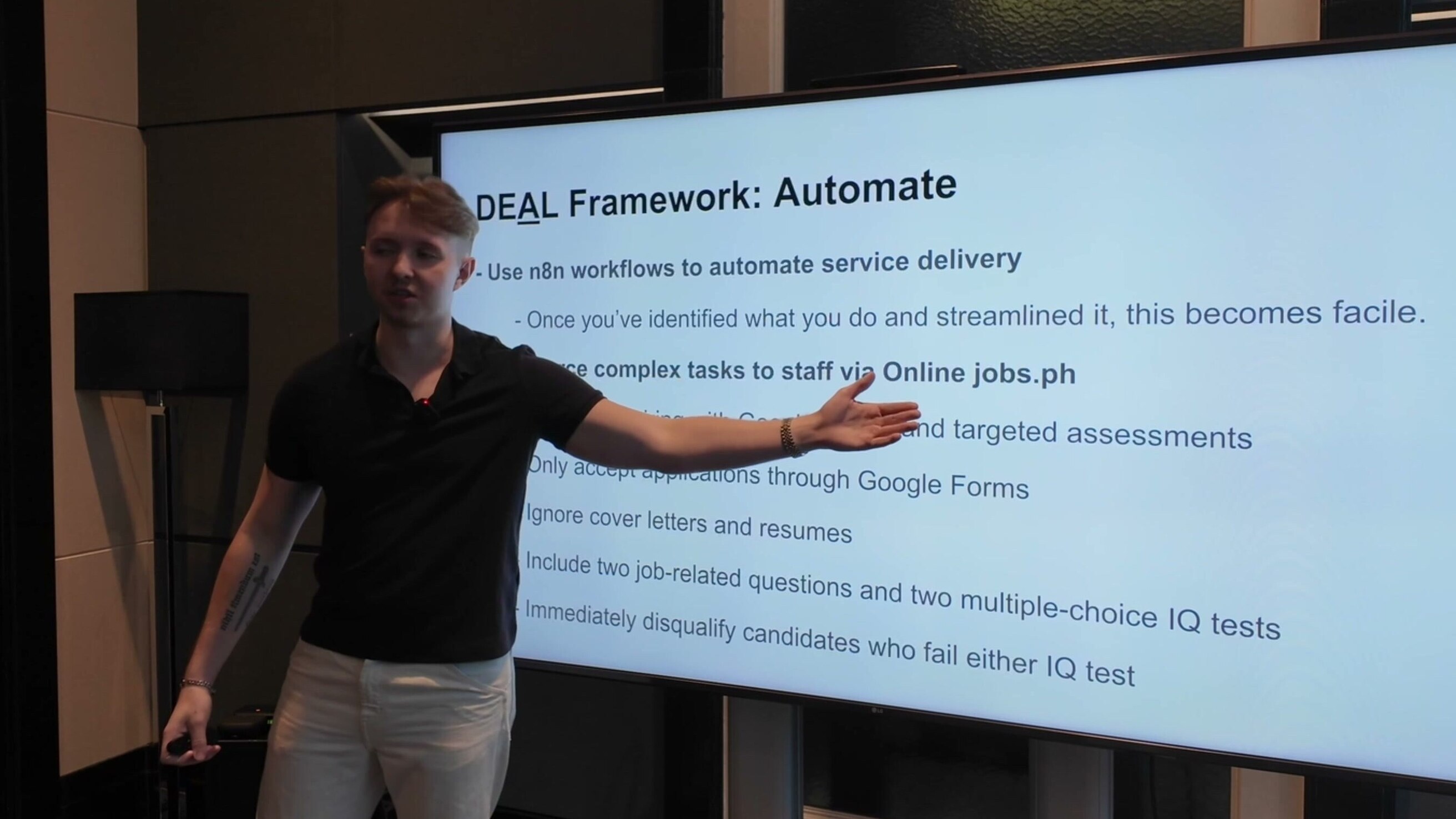
Otten became a millionaire through AI software, both his own and systems built for other businesses. That did not begin with a single product launch. It developed through several versions of the same skill: using code and automation to acquire attention, generate leads and produce measurable business results.
His first $40,000 online came from affiliate marketing powered by content generated at scale. The software created the distribution, and the affiliate offers converted that traffic into revenue. It was an early demonstration of the model he kept refining: build a technical system once, then let it keep producing work.

He then ran a marketing agency that used AI to produce organic short-form content for brands across YouTube, Instagram and TikTok. The agency reached $10,000 a month in revenue while its work generated 500,000 views a month. That period connected software to client delivery: the technology mattered because it helped brands publish more and reach more people.
From there, Otten moved deeper into AI software. He developed sales and appointment-setting agents, multi-agent workflows and automations that carry a prospect from the first message to a booked meeting. Some of those systems became products inside his own companies. Others were built for clients that needed AI connected to a real sales process.1

Building software and teaching the system
Client Accelerator combines coaching with software. Members use Cold Email Engine, a sending platform with unlimited inboxes, then bring their campaigns, messages and sales calls to live weekly reviews. The program has more than 200 members, which turns Otten's client-acquisition methods into both a recurring product and an education business.2
The structure is important. Otten is not earning from one type of AI work. He has revenue from software he controls, development work performed for others and education built around the systems he uses. Each part strengthens the others. Client work reveals the problems businesses will pay to solve, owned software turns those solutions into repeatable products, and teaching builds an audience around the results.

His YouTube channel has more than 18,000 subscribers and covers AI agents, fine-tuning, AI evaluations and multi-agent workflows. He has interviewed GoHighLevel chief executive Shaun Clark about landing AI clients, and his free EricsLab AI Community has more than 500 members.3
That audience gives the software a distribution channel. A technical lesson can introduce a viewer to the underlying method, the community gives them a place to apply it, and Client Accelerator offers the software and feedback needed to turn it into a client-acquisition system.
The education behind the work
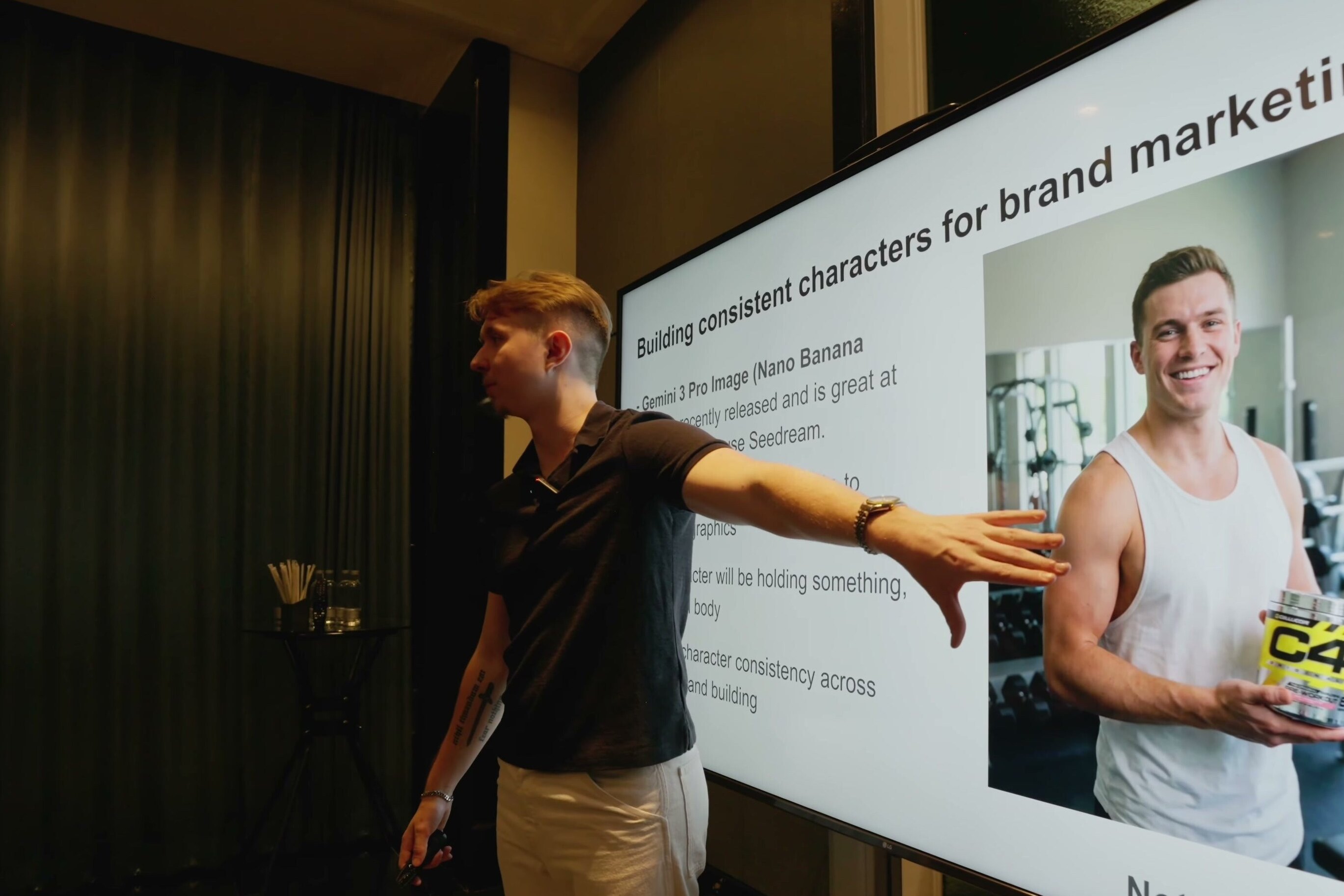
Otten's education crosses the technical and commercial sides of the business. He holds a bachelor's degree in information technology, a master's degree in data analytics, a bachelor's degree in finance and an MBA, and studied at Harvard Business School Online.
That mix explains the way he presents AI. The focus is not only on whether a model can produce an answer. It is on whether the system can make a reliable decision, fit into a sales process and create an economic result. His multi-agent work uses several checks around an AI task because a promising demo is not enough when a business depends on the output.

Inside Eric Otten's watch collection

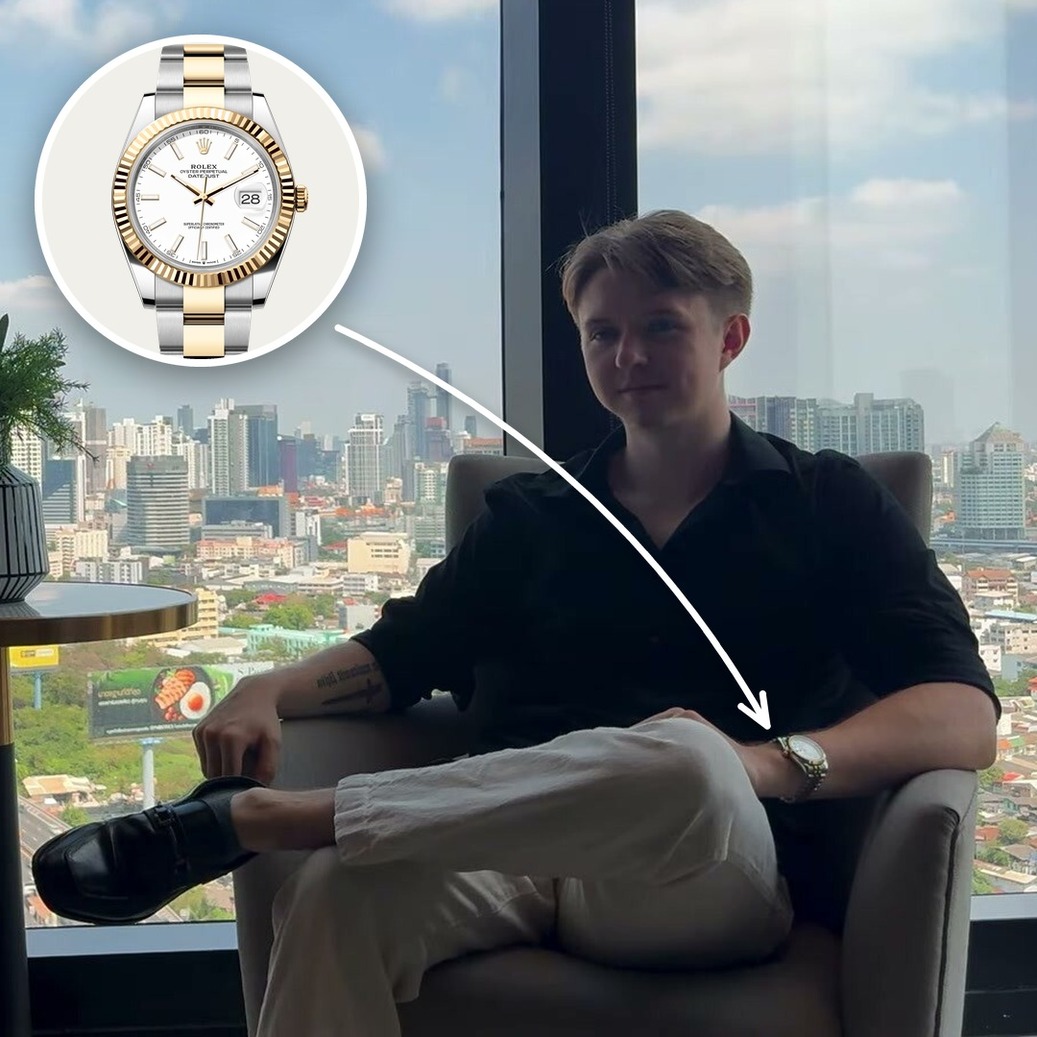
The millionaire founder's collection is compact: an Audemars Piguet Royal Oak 41 in steel with a blue dial and a Rolex Datejust 41 in Oystersteel and yellow gold with a white dial. The two watches cover opposite sides of the modern luxury-watch spectrum.
The Royal Oak is the sharper sports watch. Its steel case, integrated bracelet, octagonal bezel and blue patterned dial give it the visual identity of a design object. The Datejust is more traditional, combining a white dial, yellow-gold fluted bezel and two-tone bracelet in a watch that can move from daily work to a formal setting.
There is no sprawling vault. Instead, the pair reads like a deliberate two-watch rotation: one piece built around modern steel architecture and another built around the classic Rolex formula.
The Audemars Piguet Royal Oak 41

The Audemars Piguet is a Royal Oak Selfwinding 41. It pairs a stainless-steel case and bracelet with the blue dial most closely associated with the Royal Oak identity.
The design makes the case and bracelet feel like one continuous object. Brushed surfaces carry across the links, polished edges catch the light, and the exposed screws around the octagonal bezel make the construction part of the face. On Otten's wrist, it has the presence of a serious luxury watch without relying on gold or diamonds.
It is also the more technical-looking of the pair. That makes it a natural signature watch for a developer whose business is built around software systems: complex in construction, direct in purpose and instantly recognizable to people who know the category.

The Rolex Datejust 41

The second watch is a Rolex Datejust 41. Its Oystersteel and yellow-gold construction gives the watch more warmth than the all-steel AP, while the white dial keeps the overall look clean.
The Datejust formula is familiar for a reason. The fluted bezel, date window under the Cyclops lens and two-tone bracelet communicate Rolex immediately, but the 41mm case gives the classic design a contemporary scale. It is dressier than the Royal Oak without becoming delicate.
Where the AP is angular and tightly integrated, the Rolex is built from recognizable contrasts: steel and gold, white dial and dark markers, polished center links and brushed outer links. The watch works as a visible business milestone while remaining practical enough for regular wear.
What the two watches say about the collection
Both watches are recognizable, but they communicate different things. The Royal Oak is the enthusiast's choice, built around a radical 1970s design that turned steel finishing and an integrated bracelet into luxury. The Datejust is the enduring business watch, a design that has crossed generations without losing its place in the room.
Together they mirror the way Otten made his money. The Royal Oak fits the software builder: modern, technical and focused on the architecture. The Datejust fits the founder and teacher: established, versatile and legible to a much wider audience.

From building systems to building an audience
Otten's business history is a sequence of systems becoming assets. Generated content became affiliate revenue. An AI-assisted content operation became a client service. Sales automations became software. The methods behind the software became education, community and media.
The watches sit at the visible end of that process. They are not the business, but they make its progress tangible. The AP Royal Oak shows the technical ambition. The Rolex Datejust gives the collection a classic counterweight. With two pieces, each watch has a clear job.
What is Eric Otten's net worth?
$1 million (estimated)
Entrepreneur Watches estimates Eric Otten’s net worth at $1 million. His millionaire status reflects income from AI software he owns, custom AI systems built for clients, online education and earlier agency work.
Estimate source: Eric Otten business background.
Frequently asked questions
What is Eric Otten's net worth?
Eric Otten's net worth is $1 million (estimated), as of 2026. Entrepreneur Watches estimates Eric Otten’s net worth at $1 million. His millionaire status reflects income from AI software he owns, custom AI systems built for clients, online education and earlier agency work.
How did Eric Otten make money?
Eric Otten made money by building AI software for his own businesses and custom AI systems for clients.
What watches does Eric Otten own?
Eric Otten owns an Audemars Piguet Royal Oak 41 and a Rolex Datejust 41.
What is Eric Otten's signature watch?
Eric Otten's signature piece in this profile is the Audemars Piguet Royal Oak 41.
Where is Eric Otten based?
Eric Otten is from St. Louis, Missouri.